
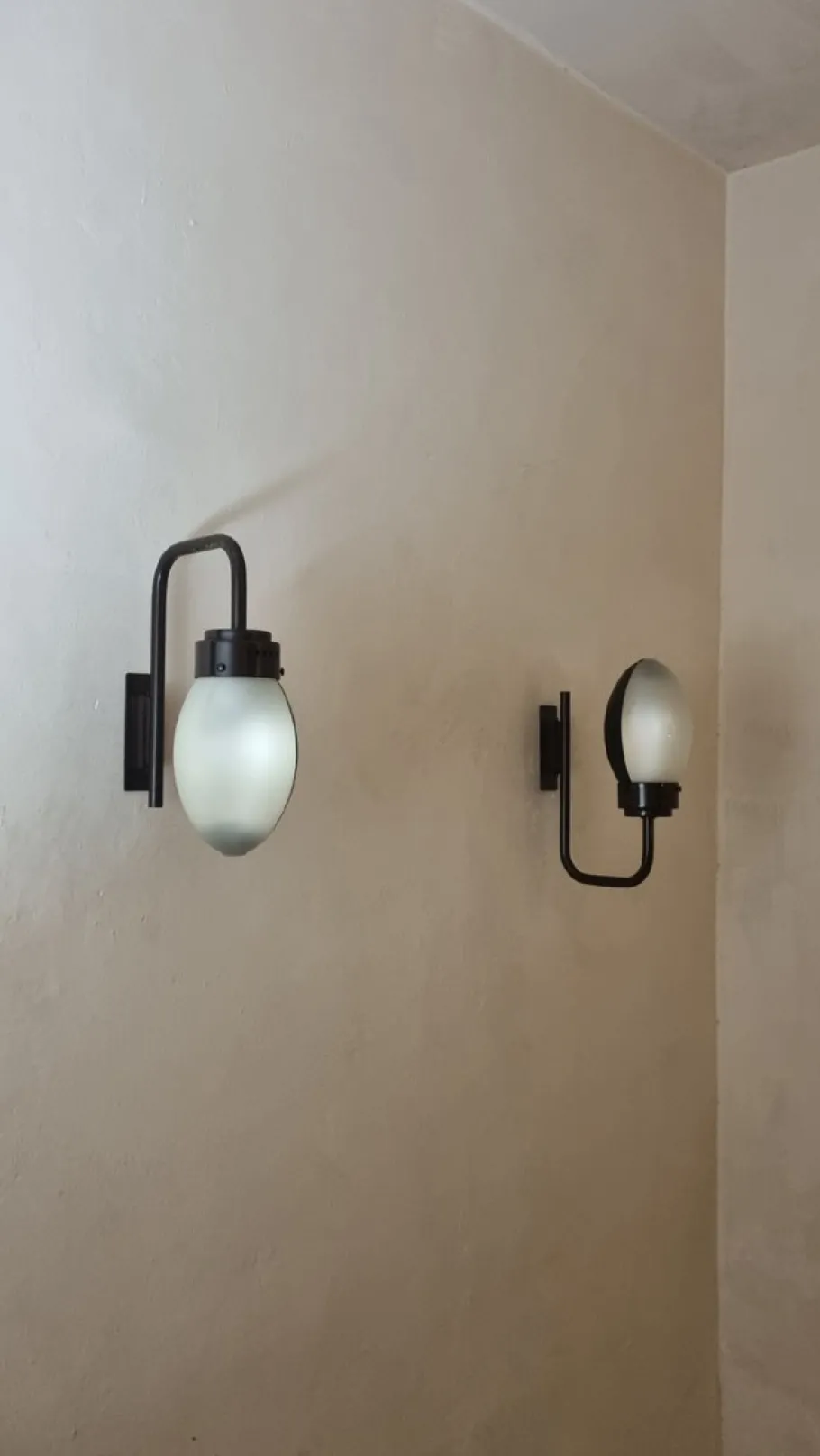
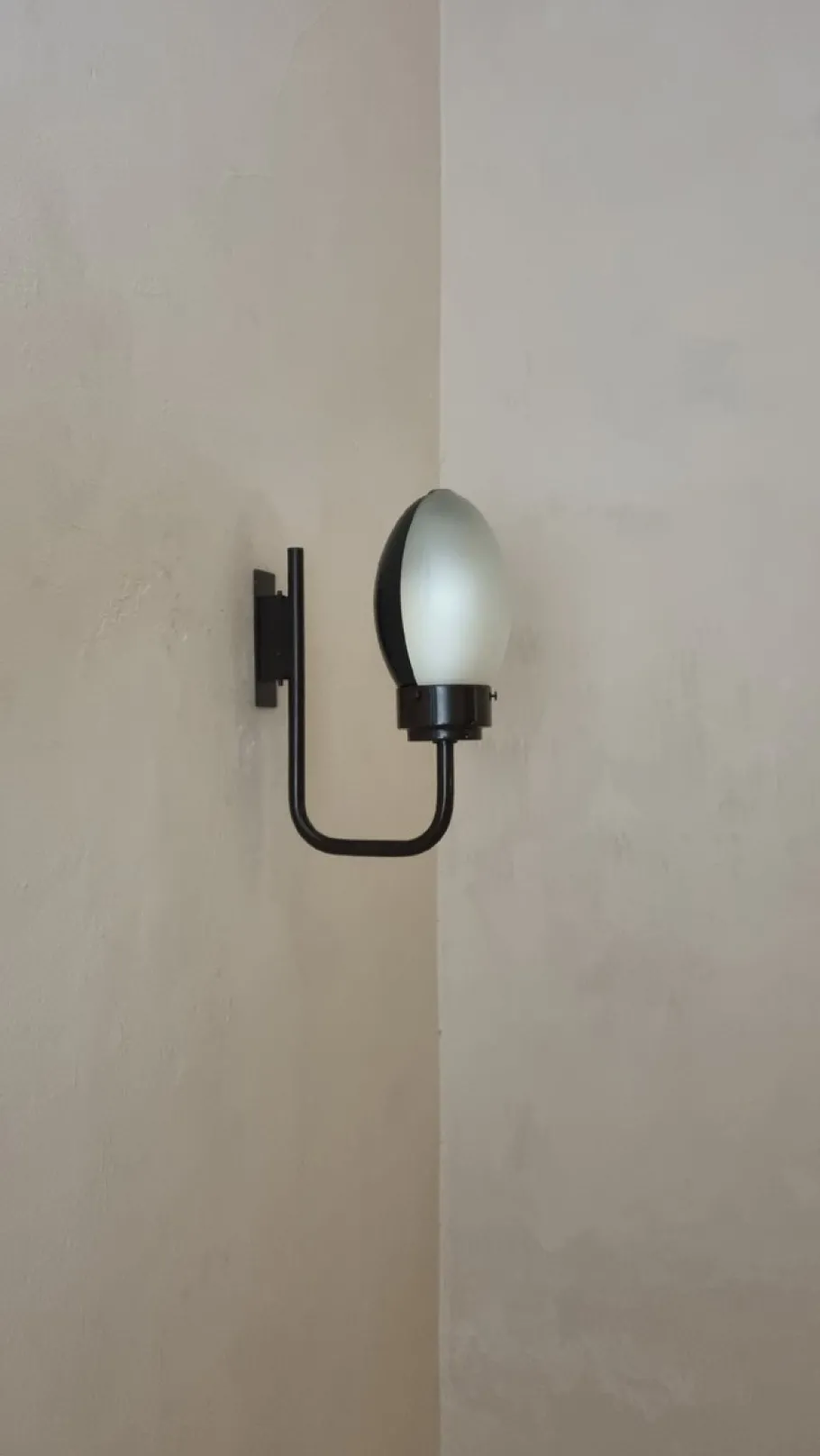
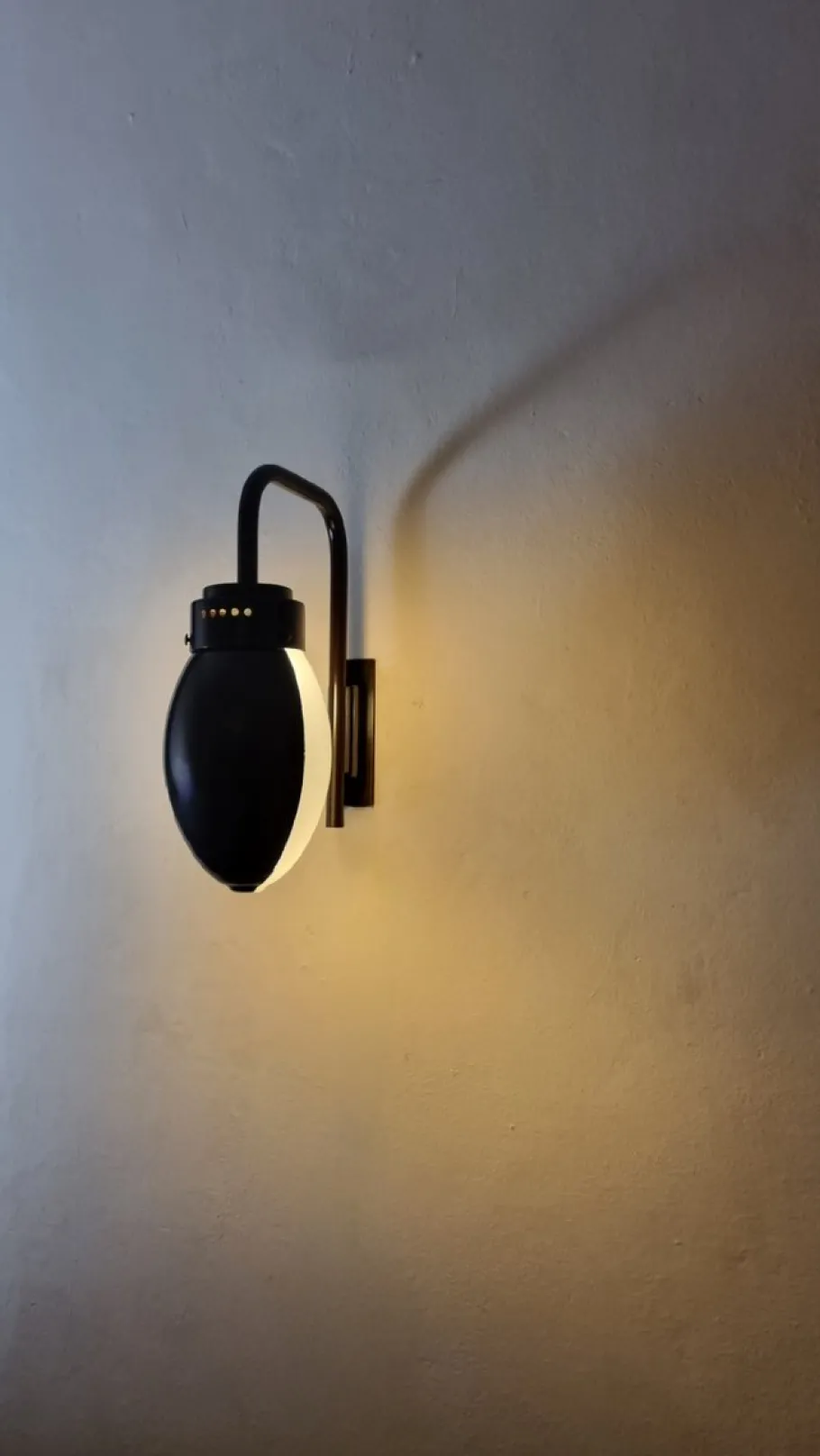
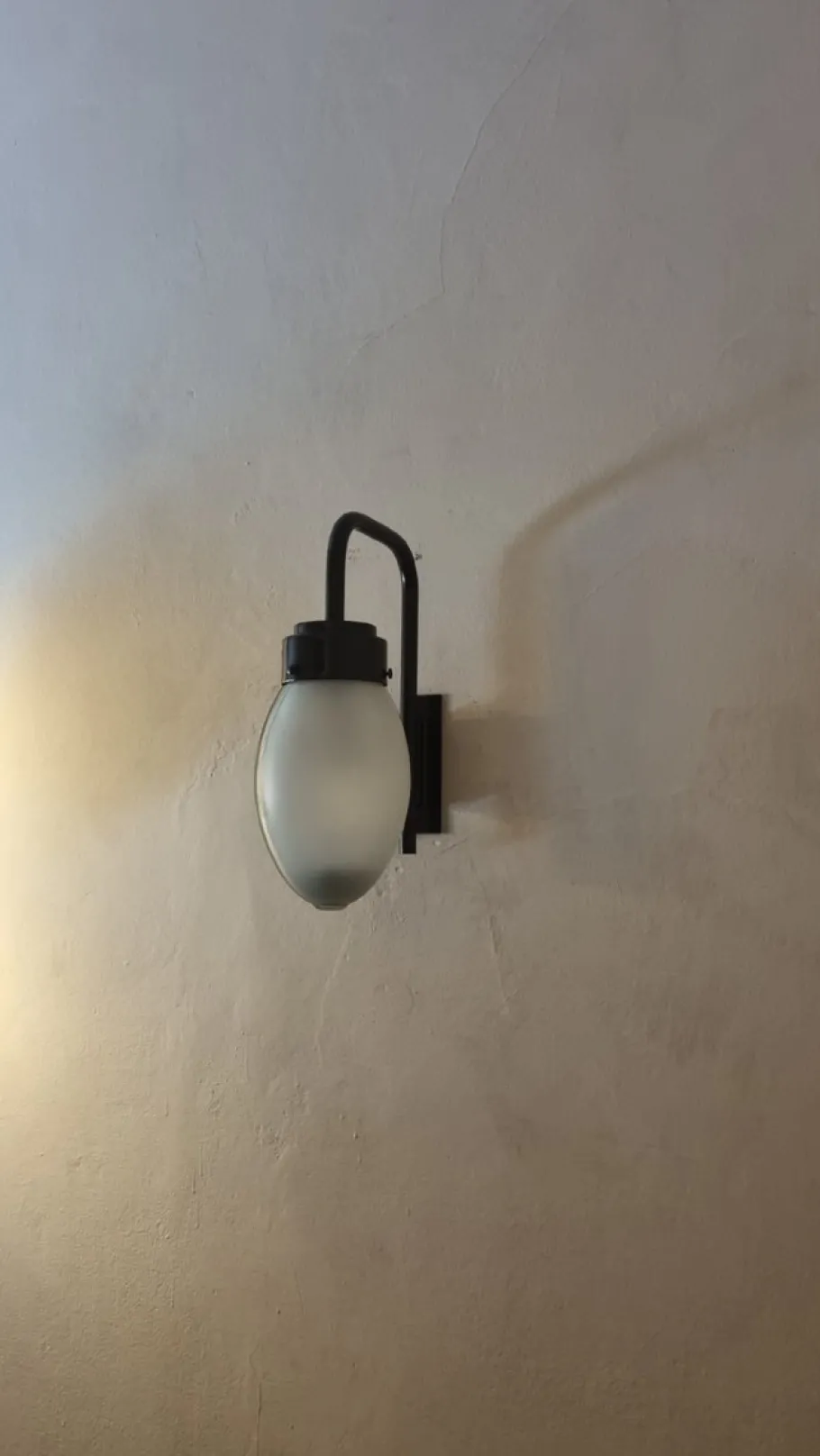
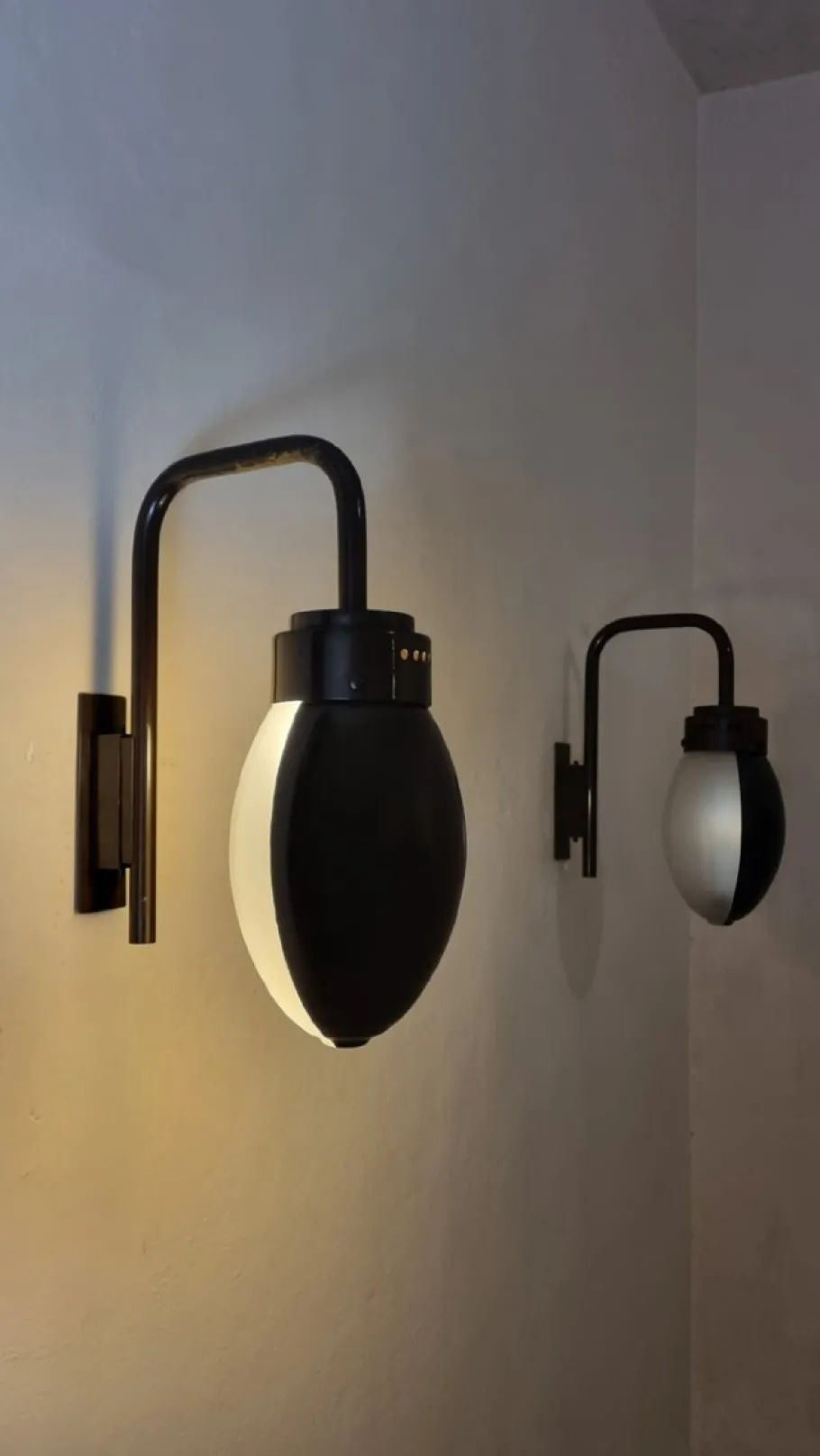


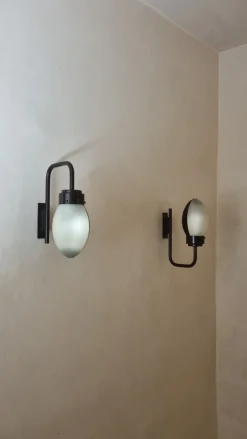
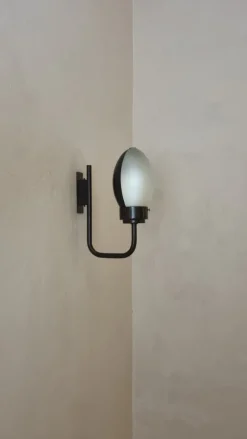
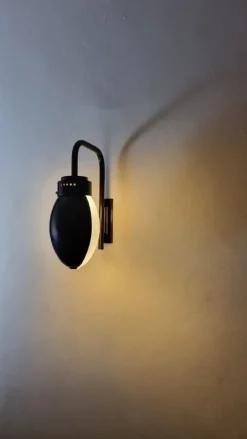
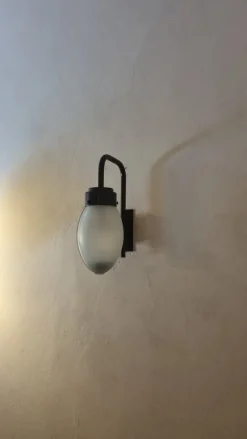
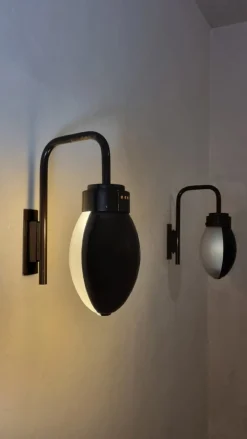
Sale Pamono Mod. 3052 Ochetta Wall Lamps by Franco Albini & Franca Helg for Arteluce, 1963, Set of 2
$138.99
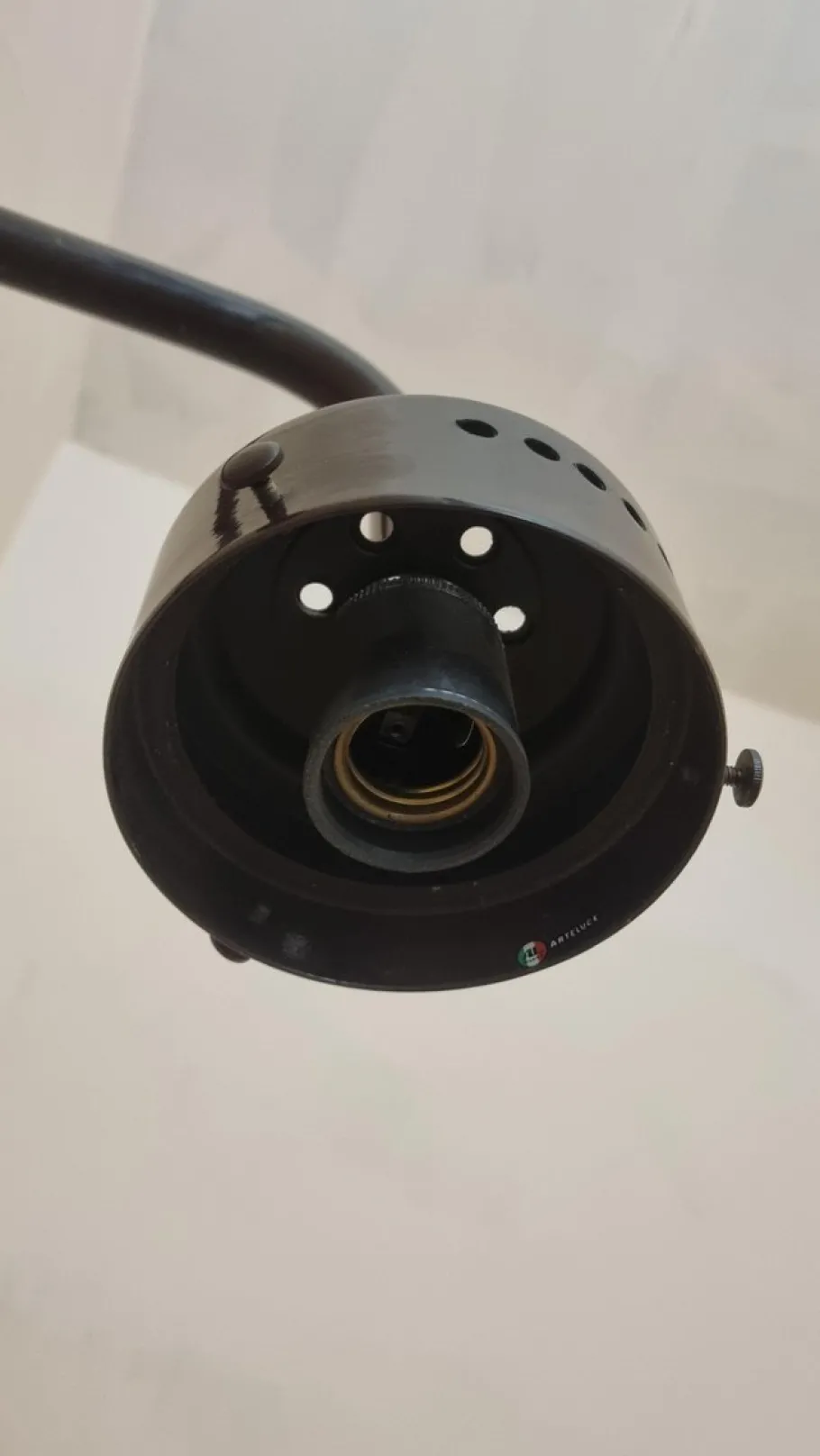
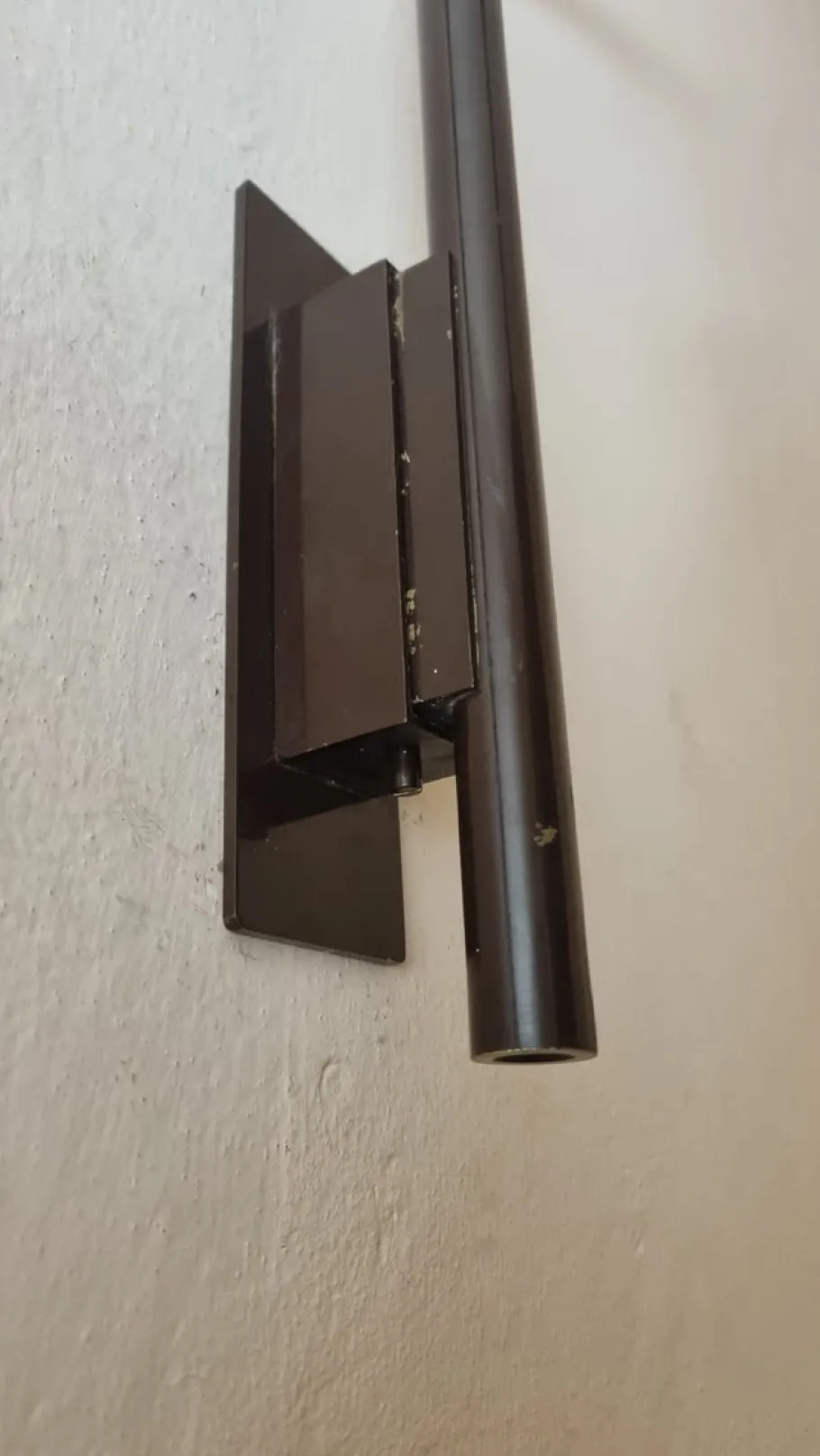
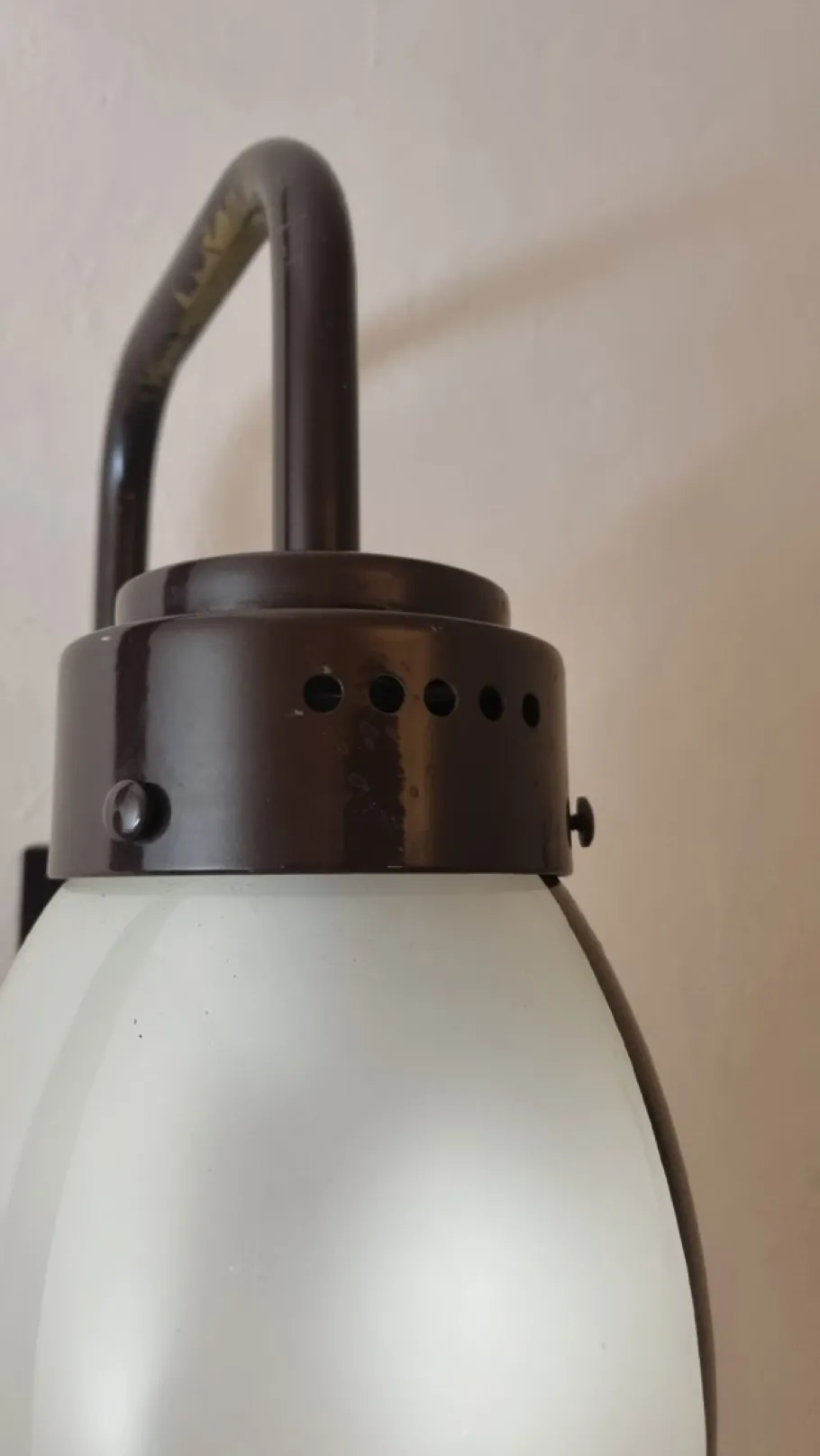
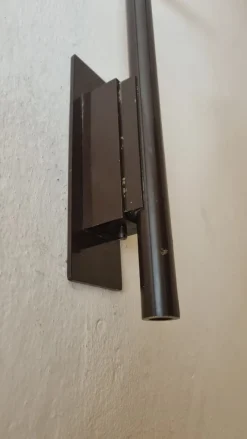
Painted brass structure, adjustable satin glass diffusers,
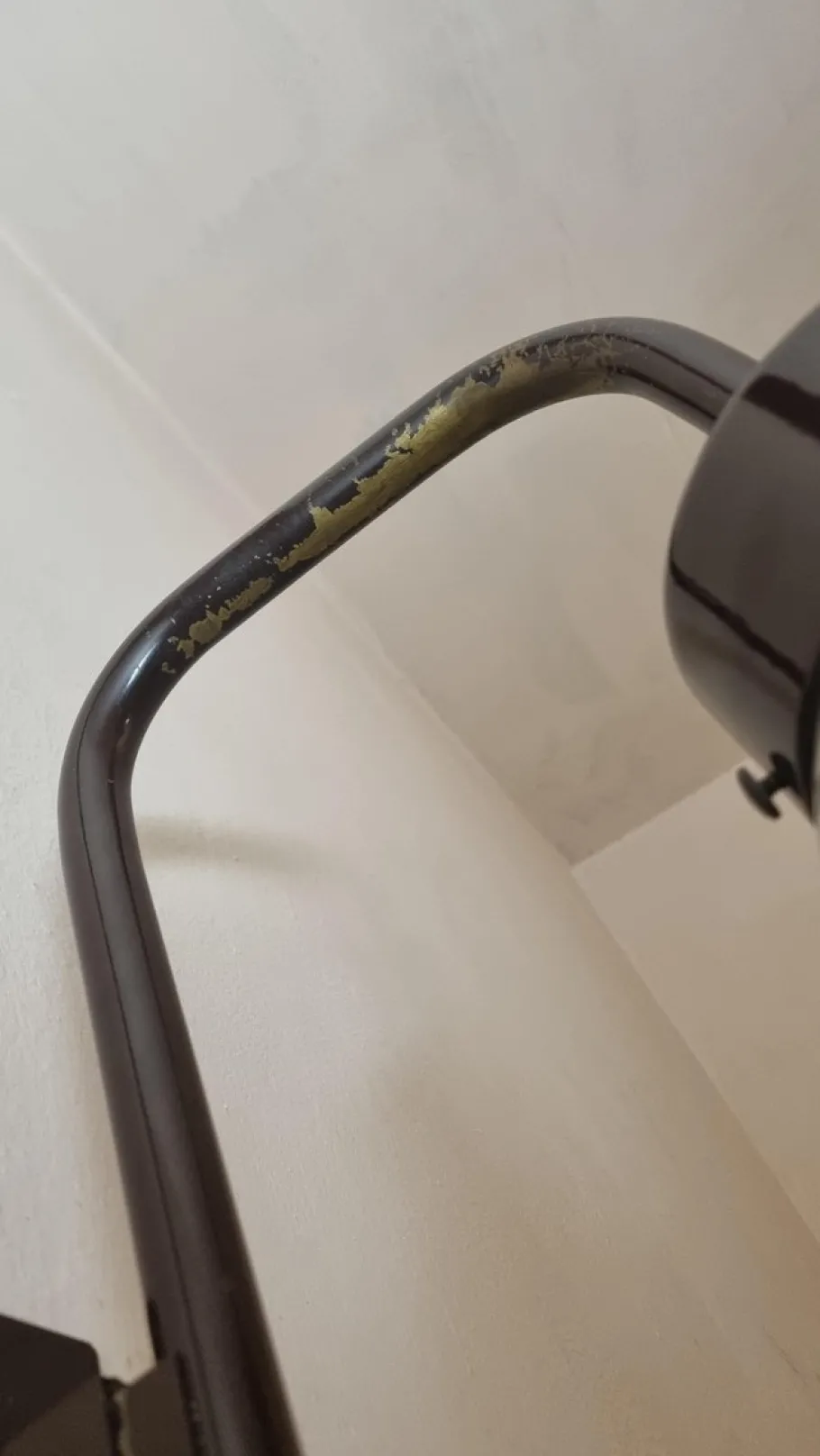
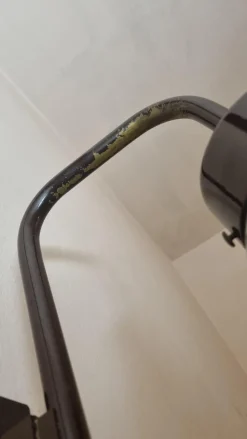
excellent conditions.
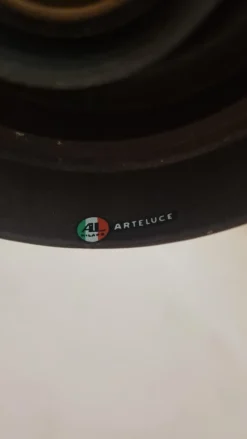
Manufactured by Arteluce in 1962, this Mod. 3052 wall lamp reflects Franco Albini’s vision of artistic rationalism. Balancing function, proportion, and poetic elegance, this piece embodies the architect’s timeless approach to modern design, where simplicity and innovation harmonious coexist.
The Italian lighting design company Arteluce (1939 – 1973) was founded in 1939 by the young Venetian designer-entrepreneur Gino Sarfatti. The political upheavals of the time forced Sarfatti to abandon his degree in aeronautical engineering in Genoa and move with his family to Milan. There, despite the lack of formal training in design, Sarfatti embarked on a career in lighting. During the Second World War, Sarfatti fled to Switzerland, returning to Milan after the war to restart his business. In 1951, Arteluce’s first store opened on the lively Corso Vittorio in central Milan. The shop was redesigned by Marco Zanuso in 1953. The second Arteluce store, located in the charming Via della Spiga, was designed by Sarfatti’s long-time friend and colleague lighting designer Vittoriano Viganò in 1961. Arteluce quickly established itself as a visionary and successful lighting brand thanks to the commitment of Sarfatti in technical, material and production research. He has designed over 400 lamps in his lifetime, which are celebrated for their minimalist yet expressive aesthetics and experimental materials. In the mid-1950s he started working with plexiglas and, at the beginning of the 1970s, he was the pioneer of the use of halogen bulbs in luminaires. Sarfatti has also dedicated himself to improving every single element of a lighting fixture, from the switch to the wiring and the reflectors. The ultra-minimal model 1063 (1954) will influence the Italian design of floor lamps in the years to come. He won the prestigious “Grand Prix” at the Milan Triennale and is known as the most eloquent example of the purist vision of beauty in everyday objects by Sarfatti. In the same year, Arteluce receives the ADI Compasso d’Oro for the Model 559 and again the following year for the Model 1055. In the 1960s, Arteluce became a creative center for the most talented Italian designers, producing projects of great talents, such as Franco Albini, Cini Boeri, Franca Helg, Ico Parisi and Massimo Vignelli. The lighting system for the Teatro Regio in Turin, one of Arteluce’s last projects, which included hundreds of hanging acrylic glass tubes installed under the direction of the legendary architect Carlo Mollino in 1972, is considered one of the company’s greatest successes. In 1973, Sarfatti sells his business to Flos and retires to Lake Como. Many Arteluce creations are still in production today, and several original models are stably housed in important museums such as the MoMA in New York. Some forgotten after the merger with Flos, Arteluce’s designs are experiencing a renaissance among vintage collectors after the first retrospective exhibition of his work at the Triennale Design Museum in Milan in 2012.
The seller assumes all responsibility for this listing.
About This Piece
Vintage Design
Painted brass structure, adjustable satin glass diffusers,
excellent conditions.
Manufactured by Arteluce in 1962, this Mod. 3052 wall lamp reflects Franco Albini’s vision of artistic rationalism. Balancing function, proportion, and poetic elegance, this piece embodies the architect’s timeless approach to modern design, where simplicity and innovation harmonious coexist.
The Italian lighting design company Arteluce (1939 – 1973) was founded in 1939 by the young Venetian designer-entrepreneur Gino Sarfatti. The political upheavals of the time forced Sarfatti to abandon his degree in aeronautical engineering in Genoa and move with his family to Milan. There, despite the lack of formal training in design, Sarfatti embarked on a career in lighting. During the Second World War, Sarfatti fled to Switzerland, returning to Milan after the war to restart his business. In 1951, Arteluce’s first store opened on the lively Corso Vittorio in central Milan. The shop was redesigned by Marco Zanuso in 1953. The second Arteluce store, located in the charming Via della Spiga, was designed by Sarfatti’s long-time friend and colleague lighting designer Vittoriano Viganò in 1961. Arteluce quickly established itself as a visionary and successful lighting brand thanks to the commitment of Sarfatti in technical, material and production research. He has designed over 400 lamps in his lifetime, which are celebrated for their minimalist yet expressive aesthetics and experimental materials. In the mid-1950s he started working with plexiglas and, at the beginning of the 1970s, he was the pioneer of the use of halogen bulbs in luminaires. Sarfatti has also dedicated himself to improving every single element of a lighting fixture, from the switch to the wiring and the reflectors. The ultra-minimal model 1063 (1954) will influence the Italian design of floor lamps in the years to come. He won the prestigious “Grand Prix” at the Milan Triennale and is known as the most eloquent example of the purist vision of beauty in everyday objects by Sarfatti. In the same year, Arteluce receives the ADI Compasso d’Oro for the Model 559 and again the following year for the Model 1055. In the 1960s, Arteluce became a creative center for the most talented Italian designers, producing projects of great talents, such as Franco Albini, Cini Boeri, Franca Helg, Ico Parisi and Massimo Vignelli. The lighting system for the Teatro Regio in Turin, one of Arteluce’s last projects, which included hundreds of hanging acrylic glass tubes installed under the direction of the legendary architect Carlo Mollino in 1972, is considered one of the company’s greatest successes. In 1973, Sarfatti sells his business to Flos and retires to Lake Como. Many Arteluce creations are still in production today, and several original models are stably housed in important museums such as the MoMA in New York. Some forgotten after the merger with Flos, Arteluce’s designs are experiencing a renaissance among vintage collectors after the first retrospective exhibition of his work at the Triennale Design Museum in Milan in 2012.
Click here for full descriptionClose description
| Creator | Franco Albini,Franca Helg |
|---|---|
| Manufacturer | Arteluce |
| Design Period | 1960 to 1969 |
| Year | 1963 |
| Production Period | 1960 to 1969 |
| Country of Manufacture | Italy |
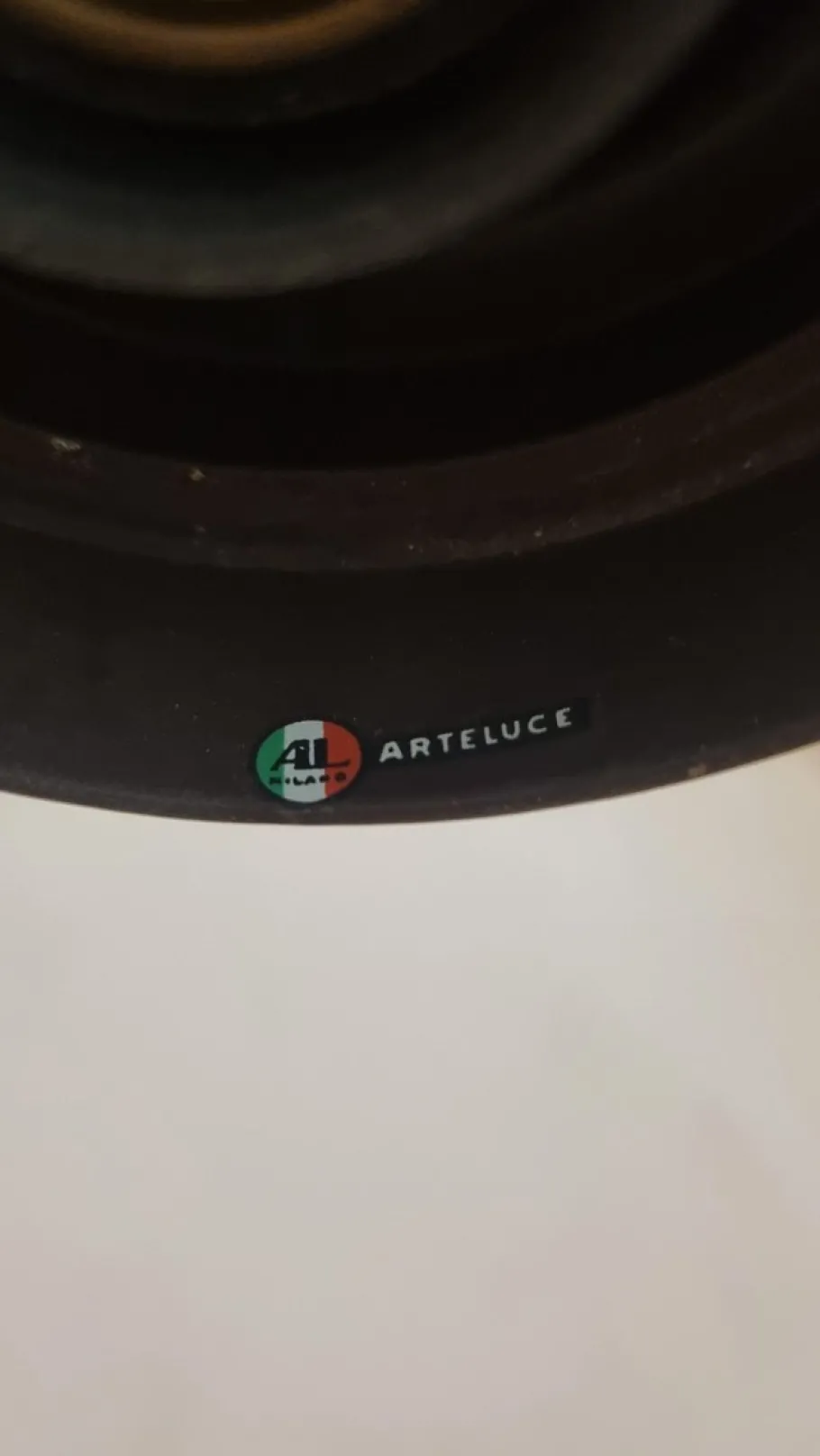
| Identifying Marks | This piece has an attribution mark |
| Style | Mid-Century |
| Detailed Condition | Excellent — This vintage/antique piece is in near original condition. It may show minimal traces of use and/or have slight restorations. |
| A professional electrician has confirmed this piece is in working order. | |
| Plug Type | European Plug (up to 250V) |
| Product Code | DXK-2162366 |
| Materials | Brass, Metal, Etched Glass |
| Color | Brown |
| Width | 32 cm 12.6 inch |
| Depth | 15 cm 5.9 inch |
| Height | 44 cm 17.3 inch |
Be the first to review “Sale Pamono Mod. 3052 Ochetta Wall Lamps by Franco Albini & Franca Helg for Arteluce, 1963, Set of 2”
Related products
Ceiling Lights

Ceiling Lights
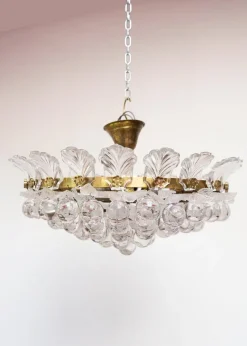
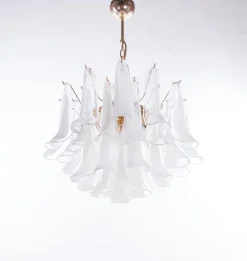
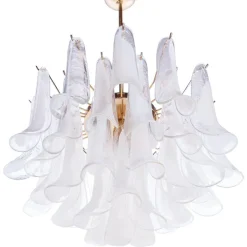
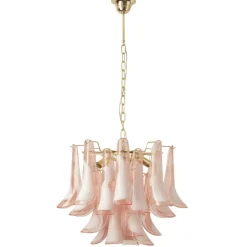
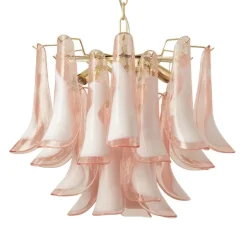
Discount Pamono Vintage Petal Chandelier in Clear and White Murano Glass, Italy, 1970s

Login
Reviews
There are no reviews yet.